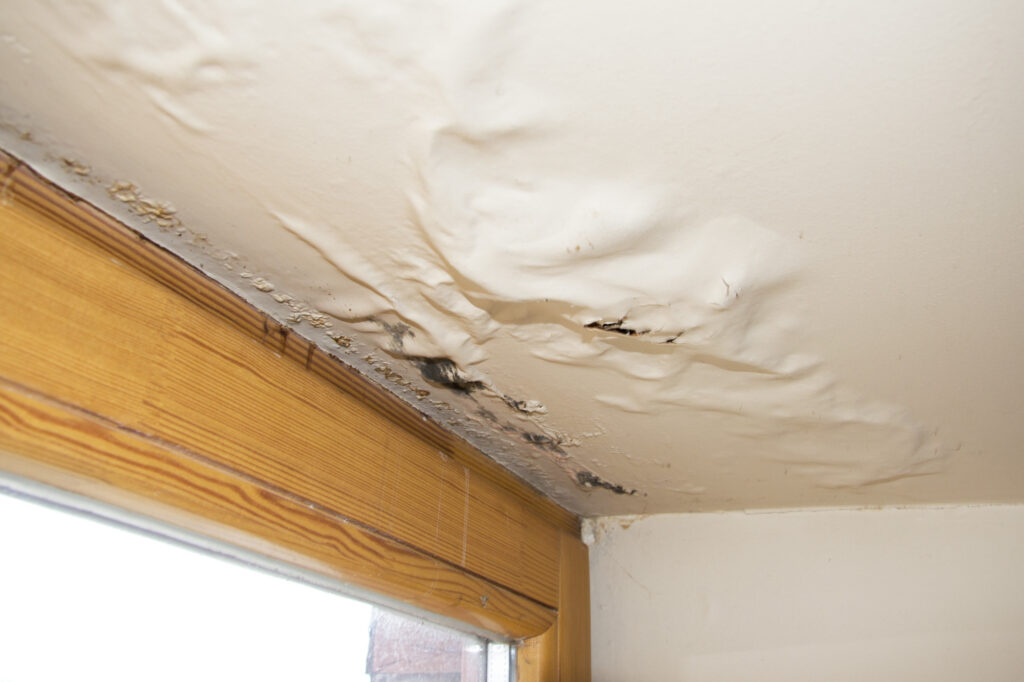
Flooding can cause severe damage to a home in a very short amount of time. Whether the flooding is caused by heavy rain, a burst pipe, or a natural disaster, water can quickly spread through floors, walls, and personal belongings. Understanding the proper steps for water damage restoration after flooding is critical to protecting your home and preventing long-term problems.
Many homeowners are unsure what to do immediately after floodwaters enter their property. Acting quickly can significantly reduce damage and help prevent issues like mold growth, structural deterioration, and contamination. Professional flood water damage cleanup is often necessary to fully restore the property and ensure the home is safe to occupy again.
Below is a guide to understanding the restoration process and why professional help is often the safest and most effective solution.
What to Do Immediately After Flooding
The moments following a flood are critical. Water can quickly soak into flooring, drywall, furniture, and insulation, causing rapid deterioration if not addressed immediately.
If flooding occurs in your home, the first step is to ensure the safety of everyone inside the property. If the water level is high or electrical systems are affected, it may be necessary to leave the home until professionals can assess the situation.
Once the area is safe, contacting a restoration company for emergency water damage restoration is essential. Floodwater can continue spreading through the structure and causing additional damage if it is not removed quickly.
Professional restoration teams can respond quickly and begin stabilizing the property. Many companies provide 24/7 emergency services to ensure homeowners receive immediate help when flooding occurs.
The First Step: Water Extraction After Flooding
The first stage of the restoration process involves removing standing water from the property. This step is known as water extraction after flooding, and it is critical for preventing further structural damage.
Floodwater can saturate flooring materials, seep into walls, and soak insulation within hours. Professional restoration teams use high-powered pumps and industrial extraction equipment to remove large volumes of water quickly.
Prompt water removal helps limit the amount of structural damage and reduces the likelihood of mold growth. Restoration teams providing flood damage cleanup services focus on removing as much water as possible before beginning the drying process.
If your home has experienced significant flooding, professional Flood Damage Cleanup services can help remove standing water and begin the restoration process safely.
Structural Drying After a Flood
Even after standing water is removed, moisture often remains trapped inside building materials. Floors, drywall, framing, and insulation can retain moisture that is not visible on the surface.
This is why structural drying after flood damage is one of the most important stages of the restoration process.
Professional restoration teams use specialized drying equipment such as:
- Industrial air movers
- Commercial dehumidifiers
- Moisture detection equipment
These tools help remove hidden moisture from structural materials. Without proper drying, trapped moisture can lead to mold growth, wood rot, and weakened structural components.
Professional restoration technicians monitor moisture levels throughout the drying process to ensure the home is fully dried before repairs begin.
The Importance of Sanitation and Contamination Control
Floodwater is often contaminated with bacteria, debris, and harmful microorganisms. This is especially true when flooding is caused by stormwater, sewage backups, or rising groundwater.
Because of these risks, sanitation is a critical part of professional flood damage restoration. Restoration teams use specialized cleaning solutions and disinfectants to remove contaminants and restore safe living conditions.
Sanitizing affected areas helps eliminate bacteria, odors, and potential health hazards that may remain after floodwater exposure.
Repairing and Restoring the Home After Flood Damage
Once water extraction, drying, and sanitation are complete, the final stage of water damage restoration after flooding involves repairing and restoring damaged materials.
This process may include:
- Replacing damaged drywall or insulation
- Repairing or replacing flooring
- Restoring structural components
- Cleaning and restoring personal belongings
Professional flood damage repair services focus on returning the home to a safe, functional condition while preventing future problems related to moisture damage.
Homeowners often underestimate how extensive flood damage can be. Even when the water appears to have receded, hidden moisture can continue damaging the structure for weeks if it is not properly addressed.
For complete restoration services, homeowners can explore Water Damage Restoration solutions that address the full recovery process after flooding.
Why Professional Flood Damage Restoration Matters
Flooding can cause significant property damage in a short period of time. Acting quickly and following the proper restoration process is essential for protecting both your home and your health.
Professional restoration companies understand how to restore a home after flooding by using specialized equipment, proven techniques, and industry standards designed to fully remove water and moisture.
If flood damage is not addressed properly, it can lead to mold growth, structural weakening, and costly repairs later on. Working with experienced restoration professionals helps ensure the home is fully cleaned, dried, and repaired.
For additional guidance on disaster preparedness and protecting your property, homeowners can visit the Federal Emergency Management Agency (FEMA) and the San Diego County Disaster Preparedness website.
You can also learn more about the urgency of water damage response in The Hidden Timeline of Water Damage and why every minute matters when dealing with water intrusion.